


When children begin learning a musical instrument, parents often think about learning to read music. They might picture their child following notes on a page, learning songs, and gradually becoming more comfortable with musical notation.
But reading music is only one way to learn to play. Musicians can also learn by ear, using their listening skills to recognize melodies, rhythms, and musical patterns without relying on written music.
Both approaches are important parts of learning an instrument, and they help children develop different musical skills. So, is one better than the other?
In this article, we’ll explore the differences between playing by ear and reading sheet music, the benefits of each approach, and why learning both can help children become more well-rounded musicians.
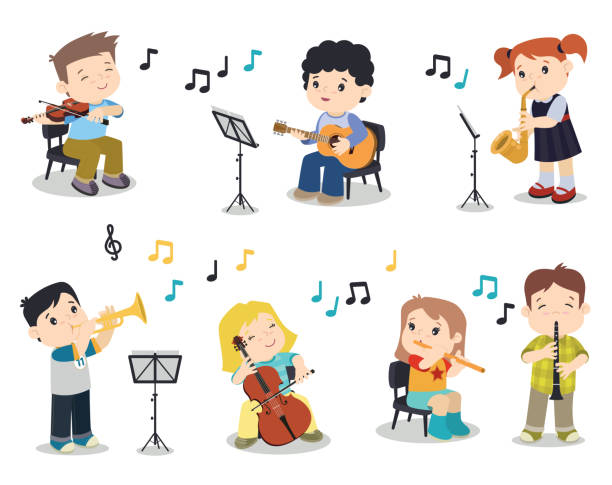
What Does It Mean to Read Music?
Reading music involves learning to recognize musical symbols and understand how they translate into sounds on an instrument.
Just as children learn to recognize letters and words when developing reading skills, musicians learn to recognize notes, rhythms, and other musical symbols on a page.
For example, a piano student might look at a piece of sheet music and use the notes on the staff to determine which keys to play. They also need to understand the rhythms to know how long to hold each note and when to play it.
As children gain experience, they gradually become more comfortable reading music. They begin recognizing familiar patterns, anticipating what comes next, and approaching new pieces with greater independence.
One of the biggest advantages of reading music is that it gives children access to a wide range of musical material.
They can learn pieces written by composers from different periods, explore music they haven’t heard before, and eventually work through increasingly complex arrangements.
Reading music also provides a way to preserve musical ideas. A piece can be written down, shared with other musicians, and performed again long after it was first created.
What Does It Mean to Play by Ear?
Playing by ear involves using listening skills to learn and reproduce music.
Instead of relying primarily on written notes, children listen to a melody, rhythm, or song and try to recreate what they hear on their instrument.
For example, a child might hear a familiar melody and try to find the notes on the piano. A guitar student might listen to a song and experiment with playing its chords. A singer might listen to a recording and learn to reproduce the melody.
Some children naturally enjoy experimenting with sounds and figuring out songs this way. Others develop these skills gradually through guided activities and regular listening.
Playing by ear involves more than simply remembering a tune. As children develop their listening skills, they can begin recognizing patterns in melodies, distinguishing between higher and lower notes, identifying rhythms, and noticing how different sounds fit together.
These abilities help children become more attentive listeners and give them another way to understand how music works.
Playing by ear also allows children to make music without always needing a written score in front of them.
They can experiment with familiar songs, explore musical ideas, and respond to what they hear around them.
The Benefits of Learning to Read Music
Learning to read music gives children a valuable tool for exploring music independently.
Once they become comfortable with musical notation, they can approach new pieces without needing to hear them first. They can study the notes, understand the rhythms, and gradually work out how the music should sound.
This opens up many possibilities as they progress.
A child who learns to read music can explore a wider variety of repertoire, from classical piano pieces to written arrangements of popular songs. They can also participate more easily in musical settings where written scores are commonly used, such as orchestras, concert bands, choirs, and certain ensembles.
Reading music can also help children develop a deeper understanding of musical structure. Written notation makes it possible to examine melodies, rhythms, chords, and other musical elements in detail.
Of course, reading music takes time to develop. Beginners may need to stop frequently to identify notes or work out unfamiliar rhythms. But as their skills improve, reading can become a more natural part of playing.
The goal isn’t simply to memorize what each symbol means. It’s to help children understand the music in front of them and use that knowledge to learn new pieces.

The Benefits of Learning to Play by Ear
While reading music helps children interpret what’s written on a page, playing by ear develops their ability to recognize and reproduce sounds.
This can be especially useful when learning music outside a traditional lesson setting. Children might hear a song they enjoy and try to play part of it, learn a melody from a recording, or work out a musical idea without needing to find sheet music.
Playing by ear can also help children become more aware of how music sounds.
They may begin noticing when a melody repeats, recognizing familiar chord patterns, or hearing the difference between major and minor sounds. These experiences can help them develop their musical listening skills over time.
Another benefit is that playing by ear encourages experimentation. Children can try different notes, listen to the results, and adjust what they’re playing until it sounds closer to the music they’re trying to reproduce.
This can be particularly valuable when children begin improvising or creating their own musical ideas.
Playing by ear is also useful when performing with other musicians. In some musical settings, performers need to listen closely, respond to one another, and adjust what they’re playing without relying entirely on written instructions.
Developing a good musical ear helps children connect what they hear with what they play.
Do Children Need to Choose One Approach?
The good news is that children don’t need to choose between reading music and playing by ear.
In fact, the two approaches can support one another.
Reading music helps children understand written musical information, while playing by ear helps them develop their ability to recognize and reproduce sounds. Together, these skills give children more ways to approach a piece of music.
For example, a child might learn a melody by reading the notes on the page, then try playing it without looking at the music. Alternatively, they might learn a familiar tune by ear and then look at the sheet music to see how the melody is written.
They can also use their listening skills to check whether they’re playing a written passage accurately. If something sounds different from what they expect, they can listen more carefully and work out what might need adjusting.
Over time, children can begin connecting the sounds they hear with the musical patterns they see.
Reading music and playing by ear aren’t competing skills. They’re two different ways of understanding and learning music.
Developing both gives children greater flexibility and helps them approach unfamiliar musical situations with more confidence.

How Parents Can Encourage Both Skills at Home
Parents don’t need to be musicians to help their children develop their reading and listening skills. There are plenty of simple ways to encourage both as part of everyday musical activities.
Here are a few ideas to try.
Listen to Music Together
Listening to music is a great starting point. Try exploring different genres, artists, and instruments together.
You might ask your child to listen for a repeating melody, notice a change in rhythm, or identify an instrument they recognize.
These activities encourage active listening and help children pay closer attention to the music around them.
Encourage Them to Learn Familiar Songs
If your child has a favorite song, ask their teacher whether there’s an appropriate arrangement they could learn.
Depending on their level, they might learn part of the song by ear, read it from sheet music, or try both approaches.
Working with music they already enjoy can make learning feel more engaging.
Give Them Opportunities to Experiment
Children can also benefit from time to explore their instruments without following a written piece.
They might try finding the melody of a familiar tune, experimenting with different notes, or creating a short musical phrase of their own.
The goal isn’t to expect them to master something immediately. It’s to give them opportunities to listen, experiment, and develop their musical curiosity.
Keep Reading Music in the Routine
If your child is learning to read music, continue encouraging them to work with their sheet music during practice.
You can also ask them to identify familiar notes or rhythms, or notice patterns in a piece they’re learning.
These activities can reinforce what they’re working on in lessons without adding too much pressure.
As always, your child’s teacher can suggest activities that suit their instrument, age, and current level.
Every Child Develops Differently
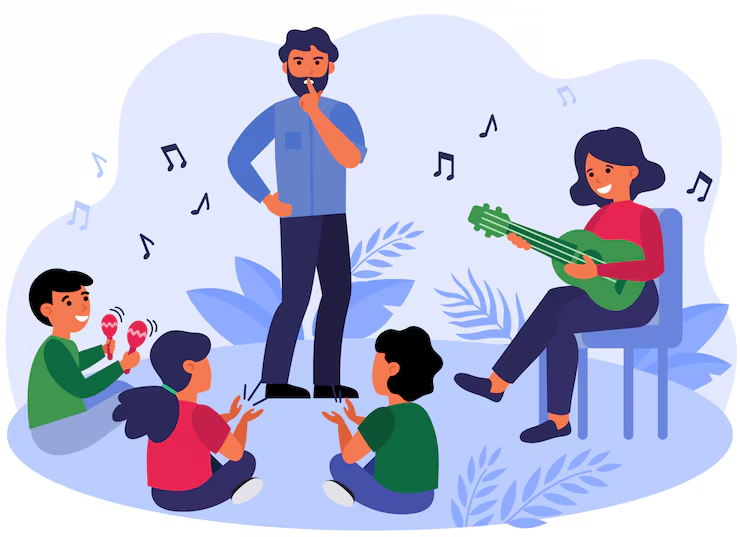
Some children quickly become comfortable reading notes, while others find it easier to recognize melodies by ear. Many develop both skills gradually as they gain experience.
There’s no need to expect every child to progress at the same pace or to be equally confident in both areas from the beginning.
A child who struggles to read a new piece might be able to reproduce a familiar melody by ear. Another child might read music confidently but need more practice recognizing melodies without a written guide.
These differences are a normal part of musical development.
The important thing is to give children opportunities to develop a range of skills rather than assuming they need to excel at everything immediately.
As they become more experienced, their reading, listening, and playing skills can begin to reinforce one another.
A well-rounded musical education gives children multiple ways to learn, understand, and enjoy music.
Closing Notes
Learning to read music and learning to play by ear are both valuable parts of becoming a musician. Reading music helps children interpret written scores and explore new repertoire, while playing by ear develops listening skills and gives them more freedom to reproduce the music they hear.
Rather than treating these approaches as alternatives, it’s worth encouraging children to develop both over time.
Parents can support this by listening to music together, encouraging their children to explore familiar songs, and making space for both structured practice and musical experimentation.
At Toronto Arts Academy, our teachers help students develop the skills they need to become confident, capable musicians. Whether your child is learning to read their first notes, working out a favorite melody, or exploring more advanced music, there’s value in discovering different ways to learn and experience music!


