


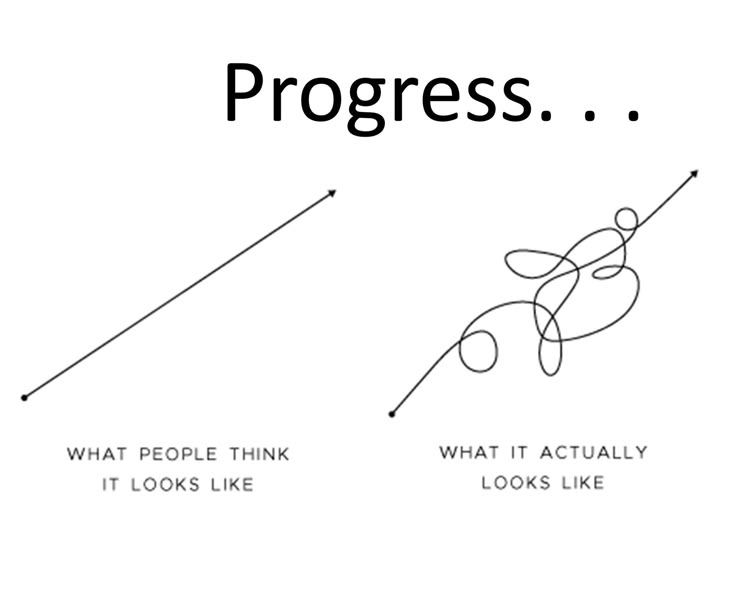
Learning an instrument is exciting, but progress isn’t always a straight line. Sometimes a student can feel like they’re improving quickly, while other times they may practice regularly and wonder why things suddenly feel harder.
Getting stuck can be frustrating, especially for students who are used to seeing clear improvements. But hitting a plateau is a normal part of learning music. In fact, these periods can often be an important part of developing deeper skills and understanding.
In this article, we’ll look at why students sometimes feel stuck and what they can do to keep moving forward.

Progress Isn’t Always Obvious
Not all musical progress is easy to hear or see.
A student might spend weeks working on rhythm, coordination, reading, or technique without feeling like anything is changing. Then, suddenly, something that once seemed difficult starts to feel much more natural.
Some improvements happen gradually in the background. Just because progress isn’t immediately noticeable doesn’t mean it isn’t happening.
Some Skills Take Longer Than Others
Music involves many different skills that develop at different speeds.
A student might learn songs quickly but struggle with reading music. Another might have a strong sense of rhythm but find certain techniques challenging. Singers may find that developing breath control or vocal coordination takes time.
It’s normal for some areas to move faster than others. Learning music isn’t about being equally strong at everything right away.
Repetition Is Part of Learning
Playing the same exercise or passage many times can sometimes feel like you’re not making progress. In reality, repetition is one of the ways musicians build reliable skills.
The goal isn’t simply to repeat something until you can get through it once. Repetition helps your brain and body become more familiar with the movements and patterns, eventually making them feel more natural.
What feels difficult today may eventually become something you can do without thinking about it.

Try a Different Approach
Sometimes feeling stuck is a sign that it’s time to change how you’re approaching something.
Instead of playing a difficult section from beginning to end repeatedly, try slowing it down, breaking it into smaller pieces, or focusing on one specific challenge at a time.
Your teacher can also help you find a different way to approach something that isn’t clicking. Sometimes a small change in technique or explanation can make a big difference.

Keep Playing Music You Enjoy
When students feel stuck, it’s easy for music to start feeling like nothing but work.
Make sure there’s still room for songs and activities that students genuinely enjoy. Playing a favorite song, improvising, singing along with a recording, or simply experimenting with an instrument can help bring back some of the excitement.
Enjoyment matters. Staying connected to the reason you started making music in the first place can help you work through the more challenging periods.

Remember That Plateaus Don’t Last Forever
Every musician experiences periods where progress feels slow. The important thing is not to interpret a temporary plateau as a sign that you’re not capable of improving.
Sometimes learning happens quietly. Sometimes it takes a new approach. And sometimes you simply need more time.
With patience, consistent effort, and support from a good teacher, students can work through those difficult stretches and discover that they’re capable of more than they thought.

Closing Notes
Feeling stuck doesn’t mean you’re failing. It’s simply one of the normal parts of learning something as complex and rewarding as music.
If your child is experiencing a musical plateau, encourage them to be patient with themselves, keep exploring, and talk to their teacher about what’s feeling difficult. A little encouragement and a fresh approach can go a long way!


